Your Go To IPTV Provider For Reliable Live TV And On Demand Entertainment
Tired of expensive cable bills and limited channel packages? An IPTV provider delivers live TV and on-demand shows directly through your internet connection, https://cccamx.com/ letting you watch exactly what you want on any device. You simply sign up, install the app, and start streaming thousands of channels and movies without a long-term contract. It is a budget-friendly way to cut the cord while enjoying total flexibility over your viewing experience.
What Exactly Does an IPTV Service Do for You?
An IPTV provider delivers television content over your internet connection rather than through traditional cable or satellite signals. It does this by converting live channels and on-demand programs into internet protocol packets, which your device decodes for viewing. Specifically, the service gives you access to a curated lineup of live TV channels—often including international, sports, and entertainment options—along with a video-on-demand library of movies and series. You can typically pause, rewind, or record live broadcasts if the provider includes a cloud DVR feature. The provider supplies a dedicated app, email-based support, and server URLs that connect your set-top box, smart TV, or mobile device to their streaming servers, ensuring you watch scheduled programming in real time.
How Streaming Live TV and On-Demand Content Reaches Your Screen
Your IPTV provider captures live TV signals and on-demand files from a central server, then transmits them as data packets over your internet connection. These packets travel through a content delivery network (CDN) to reduce buffering. Your device—a smart TV, streaming box, or phone—receives this data and decodes it into fluid video using an app or middleware. For a typical live stream, the process follows a clear sequence:
- The IPTV server encodes the broadcast into a digital format.
- Your device sends a request to access the specific channel or title.
- The provider’s network streams the content directly to your screen in real-time.
This direct, on-demand delivery ensures seamless IPTV streaming without cable infrastructure.
The Difference Between IPTV and Standard Cable You Need to Know

The core difference between IPTV and standard cable lies in content delivery. Standard cable transmits live, linear channels through a dedicated coaxial infrastructure, binding you to a fixed schedule. An IPTV provider, however, delivers television over your internet connection, offering on-demand flexibility with pause, rewind, and a vast library of catch-up content. A critical distinction is simultaneous streaming; IPTV often allows watching on multiple devices at home, while cable typically restricts viewing to one or two set-top boxes. Cable’s lineup is rigidly packaged by the provider, whereas an IPTV service lets you customize channels or choose from bundled VOD libraries, requiring only a stable broadband connection rather than a separate cable outlet.
Key Features That Define a Reliable Streaming Service
A reliable IPTV provider is defined by buffering-free streaming and channel stability. Core features include a high uptime server infrastructure that maintains consistent playback during peak hours, a comprehensive Electronic Program Guide (EPG) for live TV navigation, and multi-device compatibility across Smart TVs, Firesticks, and mobile platforms. Instant channel switching and catch-up functionality for missed shows are essential.
Without a robust content delivery network and regular server updates, even a vast channel list becomes unusable.
Crucially, reliable providers offer 24/7 customer support to resolve technical issues quickly, ensuring your viewing experience remains seamless and on-demand.
Electronic Program Guide and Catch-Up TV Functionality
A reliable IPTV provider’s Electronic Program Guide and Catch-Up TV Functionality must offer seamless EPG data synchronization, ensuring zero misalignment between scheduled air times and actual broadcasts. Catch-Up TV demands a generous window, typically 3–7 days, with instant trick-play access to previously aired content. The EPG’s metadata richness—including series synopses and episode numbers—directly dictates how efficiently a subscriber retroactively hunts for missed programming. Without responsive grid navigation and stable storage for catch-up streams, any promised reliability collapses into a frustrating search for lost shows.

Multi-Device Support and Connection Limits Explained
A reliable IPTV provider makes it simple to share your subscription across the home. Multi-device support and connection limits determine how many screens—like your living room TV, bedroom tablet, and phone—can stream simultaneously. Most providers offer a set number of concurrent streams within one plan, typically ranging from one to five connections. If you exceed that limit, another device is blocked or you get a prompt to disconnect. Checking this limit is essential if your household has different viewing habits at the same time, ensuring no one gets kicked off mid-show. Always confirm the exact number of allowed devices before signing up.
How to Choose the Right Streaming Provider for Your Needs

To choose the right IPTV provider, start by checking their channel lineup against your must-watch list—sports, international, or local news. Test the service with a free trial to see if buffering disrupts live TV, especially during peak hours. Look for a provider offering a reliable Electronic Program Guide (EPG) and catch-up features so you never miss a show. Verify their device compatibility; the provider should work smoothly on your Fire Stick, Android TV, or smart phone. Finally, prioritize providers with responsive customer support, like live chat, since a frozen stream needs immediate help, not an email ticket.
Evaluating Channel Lineups and Content Variety
When evaluating an IPTV provider, scrutinize the comprehensive channel lineup against your specific viewing habits, not just total counts. Verify the inclusion of local networks, regional sports, and international packages you require. Assess content variety by checking for on-demand libraries and catch-up TV features, ensuring they are regularly updated. Avoid providers promising all channels; focus on whether the lineup matches your actual needs.
- Cross-reference the channel list with your must-watch networks and sports leagues.
- Confirm the availability of high-demand genres like live news or niche documentaries.
- Test the on-demand archive depth and how quickly new episodes are added.
Checking Server Stability and Uptime Guarantees
When evaluating an IPTV provider, you must directly probe their server infrastructure for uptime guarantees. Inquire about their server redundancy and load-balancing specifically for your desired channels, as single-server setups often fail during peak hours or transcoding surges. A provider should offer a documented service-level agreement guaranteeing at least 99.9% uptime for their primary streams. Be wary of vague promises; a true guarantee includes automatic compensation or service credits for measurable downtime. Always request a free trial to monitor for buffering and connection drops during evening congestion, which reveals real-world server stability before you commit.
Setting Up Your Subscription for the Best Viewing Experience
To unlock the best viewing experience with your IPTV provider, begin by selecting a subscription plan that matches your internet speed and device count. After payment, immediately configure your app to use the provider’s latest portal URL or playlist—always enable a wired Ethernet connection for stable 4K streams. Then, adjust buffer size settings to “large” within your player to prevent stuttering during live events. Finally, set up EPG (Electronic Program Guide) synchronization and refresh your channel list daily to keep the interface smooth and responsive.
Compatible Devices and Player Apps You Should Use
To unlock your IPTV provider’s full potential, you must use optimized player apps and compatible hardware. For set-top boxes, choose the Formuler Z11 or NVIDIA Shield; for smart TVs, install dedicated apps like TiviMate or OTT Navigator directly. On mobile, ensure your player handles multiple formats. Follow this setup sequence for best performance:
- Connect your device via Ethernet for stable bandwidth.
- Install a player app that supports EPG and catch-up features.
- Configure the app with your provider’s M3U or Xtream Codes portal.
Avoid generic media players like VLC for live streams, as they lack critical buffering controls.
Optimizing Internet Speed and Network Settings for Smooth Playback
To ensure smooth playback from your IPTV provider, begin by confirming a hardwired Ethernet connection for stable throughput, as Wi-Fi can introduce latency and packet loss. Conduct a speed test to guarantee at least 25 Mbps for 4K streams; if insufficient, reduce concurrent device usage or contact your ISP. Next, configure your router’s Quality of Service (QoS) settings to prioritize IPTV traffic over browsing or downloads. For further stability, manually assign a static IP to your IPTV device to prevent DHCP conflicts. Finally, if buffering persists, adjust the player’s buffer size to 3000ms or more within its settings. Latency optimization is critical for uninterrupted streaming. The network adjustment sequence is:
- Test internet speed with no background usage.
- Enable QoS on router, setting IPTV as highest priority.
- Change DNS to a low-latency provider like Cloudflare (1.1.1.1).
- If using Wi-Fi, switch to 5 GHz band.
Common Issues Users Face and Practical Fixes
Common issues with an IPTV provider include buffering, channel freezing, and EPG (Electronic Program Guide) errors. For buffering, first check your internet speed; a wired connection or restarting your router often resolves it. Clearing the app cache can fix persistent freezing, as corrupted temporary data causes playback stutters. If channels show “No Information,” manually refresh the playlist URL or EPG source in your settings. Audio/video sync problems are usually fixed by switching to a different player (like VLC or TiviMate) within the app. For login failures, verify the server URL and credentials are typed correctly—case-sensitive errors are common. Contacting the provider for a server restart can resolve widespread outages.
Buffering and Freezing Troubleshooting Steps
When your stream stutters or freezes, start by performing a hardwired connection test to rule out Wi-Fi instability. Immediately check your internet speed against the provider’s minimum requirement, as insufficient bandwidth is a primary trigger. Clear your device’s cache and disable any VPN or proxy, as these can throttle data flow. Adjusting the video bitrate down manually within your player often smooths playback during peak congestion without sacrificing too much clarity. If the issue persists, restart both your router and streaming device to flush temporary network bottlenecks, and always verify your subscription has not hit a simultaneous stream limit.
Managing EPG Data and Playlist Updates
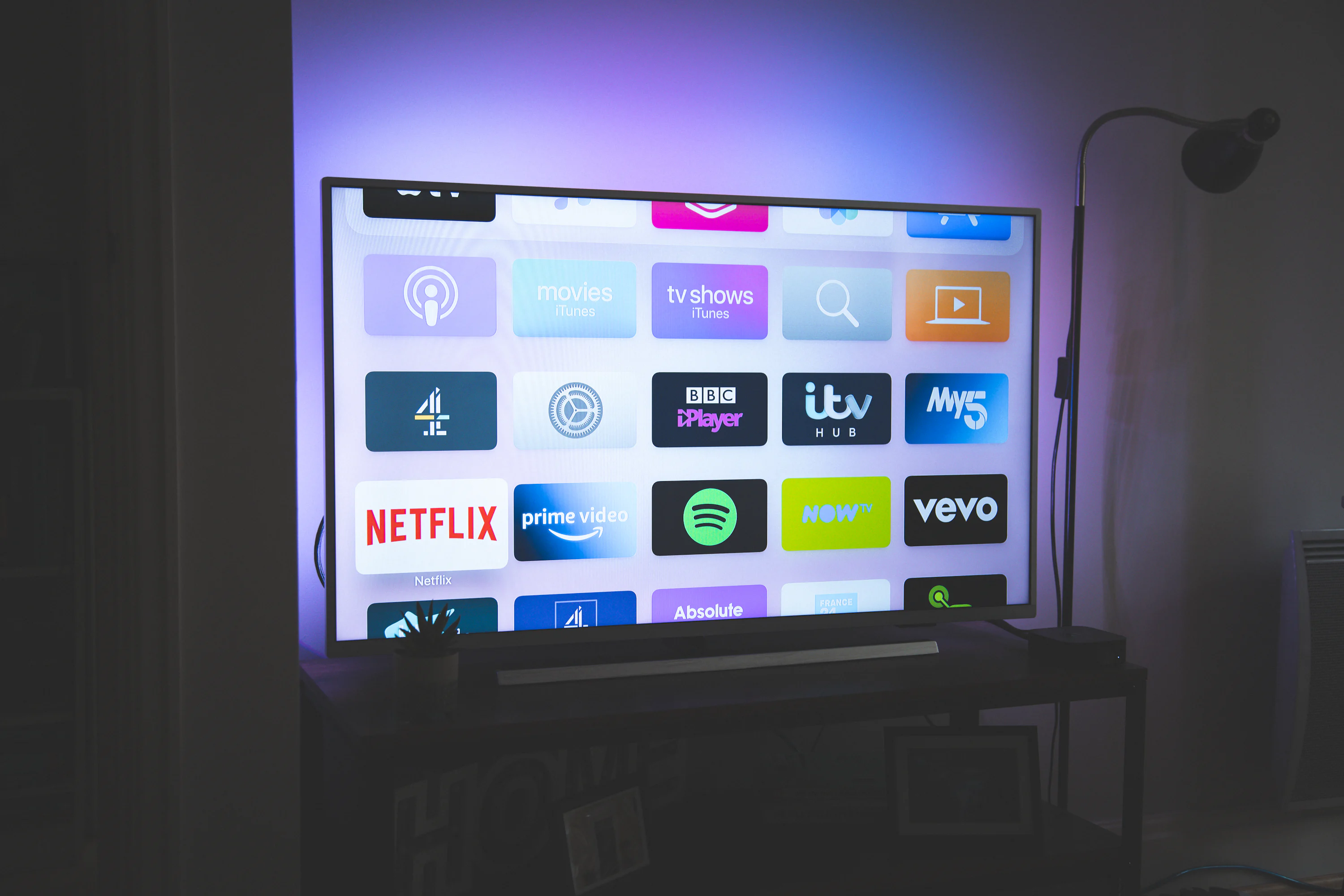
Managing EPG data and playlist updates is crucial to avoid missing live events. Users often face outdated channel guides or broken streams. For seamless playlist synchronization, always configure your IPTV app to auto-refresh the playlist URL daily. If the EPG is empty or incorrect, manually set the XMLTV source to a stable, provider-approved link. A clear sequence ensures reliability:
- Clear the app cache to remove corrupted data.
- Re-import the playlist from the original M3U URL.
- Assign the correct EPG source to each group of channels.
- Force a full refresh of channel and EPG data.
Persistently updating both components prevents scheduling conflicts and buffering issues.
Getting the Most Value Out of Your IPTV Plan
To get the most value out of your IPTV plan, start by auditing your actual viewing habits against your subscription’s channel list. Maximizing your IPTV subscription means immediately canceling redundant premium add-ons you never watch and reallocating that budget to a multi-device plan if you share access. Test your provider’s multi-stream feature to run sports on one screen and news on another, extracting simultaneous value. Finally, leverage the included catch-up TV or video-on-demand library during off-peak hours to consume content your live schedule missed. These steps ensure every dollar of your IPTV provider’s fee translates directly to content you actively use, not just a bloated channel list you scroll past.
Using VOD Libraries and Series Recording Options
To maximize your subscription, dive into the provider’s Video on Demand (VOD) library. This often includes entire film collections and complete series seasons, eliminating the need for separate streaming apps. For live content, utilize Series Recording Options to capture your favorite shows that air weekly. Actively pairing VOD binge-watching with smart scheduling of recordings ensures you never miss an episode while filling downtime with curated movies. This dual approach transforms a basic IPTV feed into a comprehensive, on-demand entertainment hub.
- Browse the VOD library for complete TV series box sets and recent movie releases.
- Set recurring series recordings to automatically capture new episodes from specific channels.
- Create a personal media schedule by alternating between live recordings and VOD streams.
Tips for Parental Controls and Account Security
To keep your IPTV experience safe for everyone, start by setting up robust parental controls on your provider’s app to block mature channels. Always create a unique, strong password for your account and enable two-factor authentication if available. Avoid sharing login credentials with friends, as this can flag your account for misuse. Regularly check your device list for unknown connections and log them out immediately. These small steps prevent unauthorized access and keep your billing info secure.
Lock down parental controls and use strong, unique passwords with two-factor authentication to protect your IPTV account.