The psychology behind why we gamble Understanding our choices and behaviors
The allure of risk-taking
The psychology of gambling is deeply rooted in our attraction to risk and uncertainty. Humans are inherently drawn to the thrill of taking chances, whether it be in financial investments or games of chance. This risk-taking behavior is often linked to the release of dopamine in the brain, creating feelings of pleasure and excitement. When individuals engage in gambling, the anticipation of winning fosters a euphoric state, motivating them to continue playing despite potential losses. For those interested in a compelling experience, Penalty Nations Cup offers such excitement in a sports casino format.
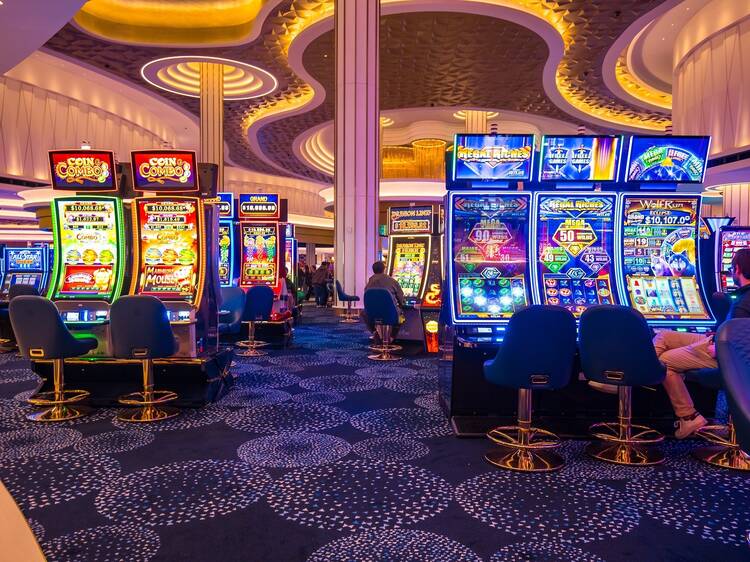
The allure of risk also taps into our innate desire for control and mastery over our environment. Players often believe that their skills or strategies will lead them to success, reinforcing their commitment to gambling activities. This belief is a critical factor in why many people return to the gaming table, as they seek validation of their abilities. The concept of ‘near misses’, where players come close to winning, serves to heighten the excitement and reinforces this behavior.
Moreover, the potential for significant wins can lead to an illusion of wealth and prosperity. This fantasy drives individuals to gamble with the hope of transforming their lives through a lucky break. As a result, the exhilarating highs of winning can overshadow the sobering realities of losses, perpetuating a cycle of gambling behavior that can be difficult to break free from.
The role of social dynamics
Sociocultural factors play a significant role in shaping our gambling behaviors. Social interactions, peer pressure, and cultural acceptance of gambling can influence an individual’s decision to participate in gambling activities. Many people view gambling as a social activity, engaging in games with friends or at social gatherings. This sense of community can enhance the enjoyment and excitement of gambling, making it more appealing.
Furthermore, advertisements and media portrayals of gambling often glamorize the activity, showcasing the success stories of big winners. These narratives can create a social norm that promotes gambling as a fun and rewarding leisure activity, leading individuals to partake in games without fully understanding the risks involved. The psychological concept of social proof highlights how individuals are likely to follow the behaviors of others, especially if they perceive those behaviors as being rewarded.
Additionally, the internet and social media have transformed the gambling landscape. Online platforms enable users to share their experiences, successes, and strategies, which can further motivate others to gamble. The ease of access to virtual casinos and sports betting through mobile devices has lowered the barriers to entry, making gambling more prevalent and socially accepted in many circles.
The impact of cognitive biases
Cognitive biases significantly influence how individuals perceive and engage in gambling activities. The gambler’s fallacy, for instance, is a common misconception where players believe that past outcomes affect future results in random events. This bias can lead individuals to place bets based on previous losses, falsely assuming that their luck will eventually change. Such distorted thinking can exacerbate gambling behaviors, prompting individuals to wager larger amounts in hopes of recouping losses.
Another cognitive bias is the illusion of control, where players overestimate their ability to influence outcomes in games of chance. This belief can lead to reckless decision-making and increased gambling. When people feel they possess some control over the game, they are more likely to continue betting, often leading to greater financial risks. This cognitive distortion perpetuates the cycle of gambling, as individuals become trapped in the mindset that they can beat the odds.
Furthermore, selective memory plays a critical role in gambling behavior. Many individuals remember their wins more vividly than their losses, creating a skewed perception of their gambling success. This selective recall can encourage continued participation, as players downplay the negative aspects of their gambling experiences. Understanding these cognitive biases is essential in recognizing the psychological mechanisms that drive gambling behavior and can be a crucial step towards developing healthier habits.
The emotional experience of gambling
Gambling is not merely a financial transaction; it is an emotional experience that can evoke a wide range of feelings. The thrill of placing a bet and the suspense of waiting for the outcome create an emotional rollercoaster that many find irresistible. Winning can lead to elation, pride, and a sense of accomplishment, while losing can trigger disappointment, frustration, and despair. These emotional highs and lows are central to the gambling experience, shaping how individuals approach future bets.
Moreover, gambling can serve as an escape from everyday stresses and challenges. For some, the act of placing a bet or engaging in a game can provide temporary relief from anxiety or depression. This emotional coping mechanism can lead individuals to gamble more frequently as they seek solace in the excitement and distraction gambling provides. However, reliance on gambling as a form of emotional escape can result in dangerous patterns, leading to addiction and a host of negative consequences.
Understanding the emotional dynamics of gambling is vital for both players and their support networks. Recognizing the emotional triggers that lead to gambling can empower individuals to seek healthier coping strategies. By addressing the underlying emotional issues associated with gambling, individuals can work towards building a more balanced and responsible relationship with games of chance.
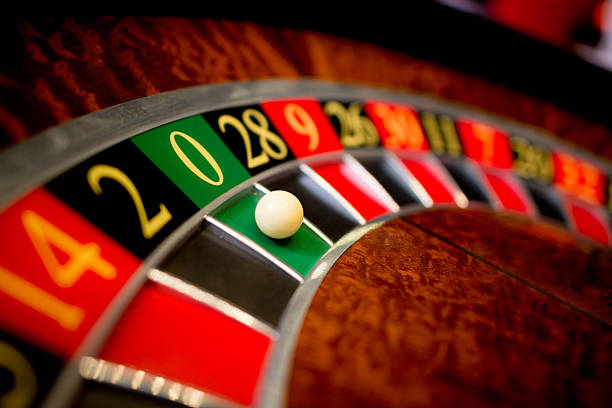
Exploring Penalty Nations Cup
Penalty Nations Cup offers a thrilling online gambling experience, perfectly blending the excitement of sports with the allure of casino games. With its impressive 96% return-to-player rate, users can engage in high-stakes penalty shootouts reminiscent of significant international competitions. This game embodies the principles of the psychology behind gambling, capturing the thrill of risk-taking while providing an engaging platform for players to test their skills.
Designed with a user-friendly interface, Penalty Nations Cup caters to both casual and serious gamers alike. With bets starting as low as €0.10, it accommodates various budgets, allowing players to enjoy the excitement without significant financial strain. The inclusion of a Bonus Buy option enables users to jump directly into high-stakes rounds, further intensifying the thrill of the game and aligning with the psychological dynamics of risk and reward.
As players engage with Penalty Nations Cup, they enter a world where their choices and behaviors are constantly influenced by the psychological underpinnings of gambling. The combination of social interaction, cognitive biases, and emotional experiences creates a captivating environment that appeals to many. Understanding the psychology behind these elements can enhance players’ experiences and help them navigate their gambling journeys more responsibly.